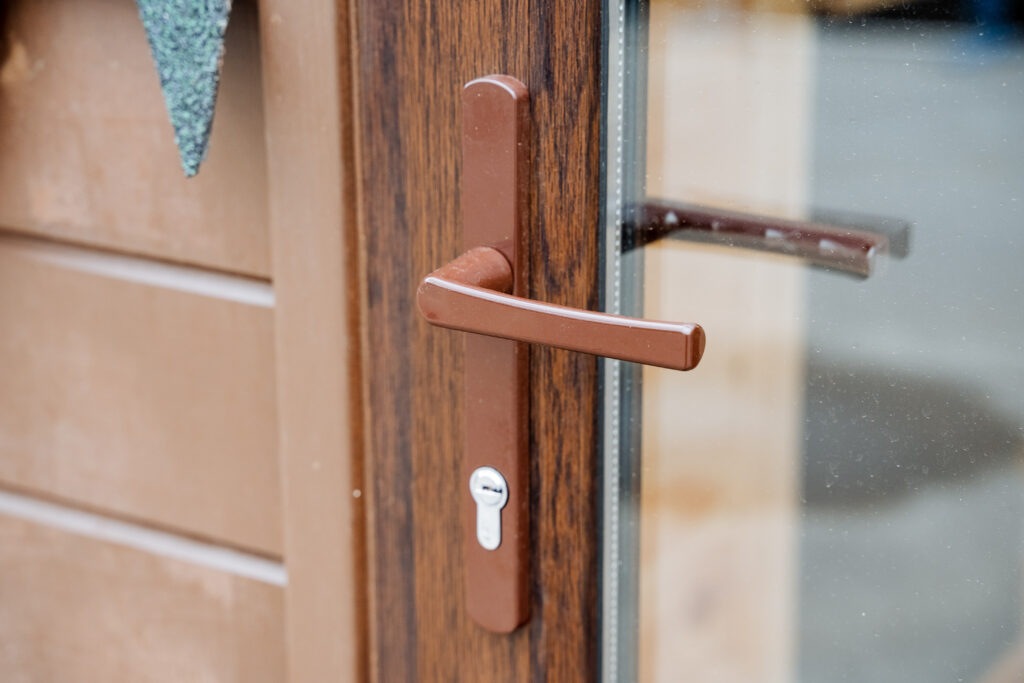
If Cold Air Is Coming Through, the Seal May Be Worn
uPVC door seals compress over time. After years of use, they can flatten, crack or shrink — creating gaps that let in cold air and moisture.
Replacing the seal is cheap, quick and very effective.
Signs Your Door Seal Needs Replacing
- Visible cracks or splits
- Seal feels brittle
- Gaps around the frame
- Light visible when door is closed
- Persistent draught even after hinge adjustment
What You’ll Need
- Replacement uPVC door seal (correct profile type)
- Flat screwdriver (for removal)
- Scissors
- Cloth for cleaning
Step-by-Step: Replacing the Seal
Step 1: Remove the Old Seal
Start at one corner and pull gently. Most seals push into a groove and don’t require adhesive.
Remove fully around the frame.
Step 2: Clean the Groove
Wipe the channel clean. Dirt prevents proper seating.
Step 3: Measure and Cut New Seal
Lay the new seal around the frame without stretching it.
Cut neatly at corners.
Do not stretch the seal — it will shrink later.
Step 4: Push the Seal into the Groove
Press firmly into the channel. Work your way around evenly.
Ensure it sits flush and doesn’t twist.
Common Mistakes to Avoid
- Buying the wrong seal profile
- Stretching the seal during fitting
- Cutting it too short
- Ignoring hinge alignment issues first
If hinges are misaligned, fix those before replacing the seal.
When to Consider Professional Help
If your door frame itself is warped or cracked, a new seal won’t fix the issue.
Final Thoughts
Replacing a uPVC seal is one of the cheapest ways to improve insulation and stop a front door draught.
Done correctly, it should last years.