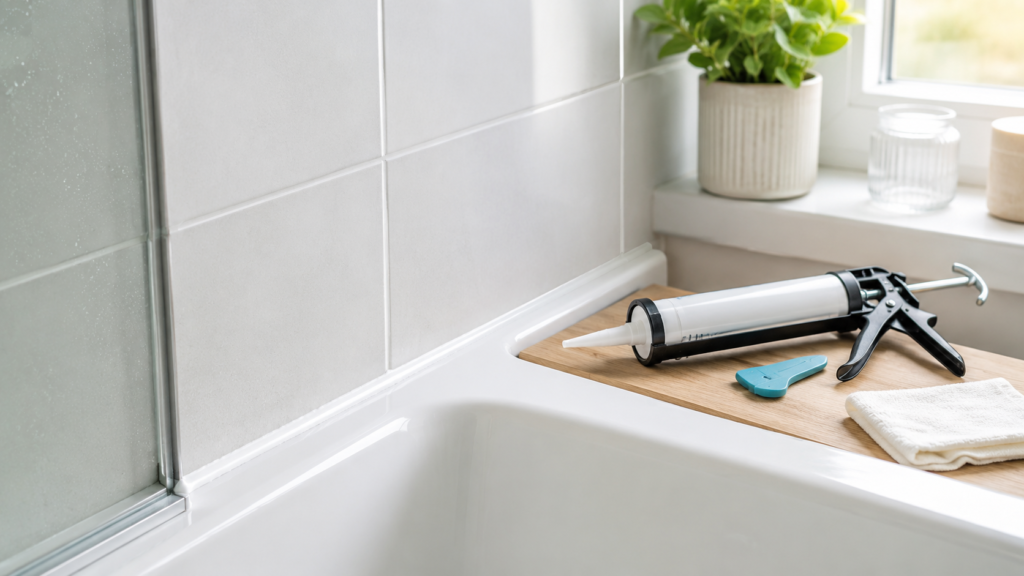
Mould around bathroom sealant is one of the most common problems in UK homes. Even regular cleaning doesn’t always stop it from coming back, especially in damp or poorly ventilated bathrooms.
Using the right type of bathroom sealant makes a big difference. Some sealants are designed to resist mould growth, while others allow it to return within months.
This guide explains the best bathroom sealant options to stop mould, when to replace old sealant, and how to choose the right product for your bathroom.
Why Bathroom Sealant Gets Mouldy
Bathroom sealant is constantly exposed to:
- Moisture
- Warm air
- Soap residue
Over time, mould can grow inside the sealant, not just on the surface. Once this happens, cleaning alone usually won’t fix it.
Types of Bathroom Sealant That Resist Mould
1. Anti-Mould Silicone Sealant
These are designed specifically for bathrooms and kitchens.
Best for:
- Baths
- Showers
- Sinks
Pros:
- Flexible
- Waterproof
- Contains mould-resistant additives
Cons:
- Needs clean, dry surfaces to apply properly
2. Premium Sanitary Silicone Sealant
Higher-quality versions of standard silicone sealant.
Best for:
- High-moisture bathrooms
- Areas with repeated mould problems
Pros:
- Longer mould resistance
- Better durability
- Cleaner finish
Cons:
- Slightly more expensive
3. Acrylic Sealant (Not Recommended)
Sometimes used because it’s cheap and paintable.
Cons:
- Not waterproof
- Cracks over time
- Mould returns quickly
For bathrooms, silicone is almost always the better choice.
Bathroom Sealant Options
Affiliate disclosure: This post contains affiliate links. As an Amazon Associate I earn from qualifying purchases.
| Sealant Type | Best For | Durability | Mould Resistance | View on Amazon |
|---|---|---|---|---|
| Anti-mould silicone | Baths & showers | High | High | View on Amazon |
| Premium sanitary silicone | Problem areas | Very high | Very high | View on Amazon |
| Acrylic sealant | Decorative gaps | Low | Low | View on Amazon |
Which Bathroom Sealant Is Best for Most Homes?
For most UK bathrooms, a high-quality anti-mould silicone sealant is the best option.
If mould keeps returning despite proper ventilation and cleaning, upgrading to a premium sanitary silicone usually gives better long-term results.
When Sealant Needs Replacing (Not Just Cleaning)
Replace sealant if:
- Mould is embedded inside it
- It’s cracked or peeling
- It has pulled away from surfaces
New sealant is often faster and more effective than repeated cleaning.
Final Thoughts
Using the right bathroom sealant won’t eliminate moisture problems entirely, but it can significantly reduce mould growth and make cleaning easier.
If mould keeps coming back, replacing the sealant is often the most reliable fix.