Introduction
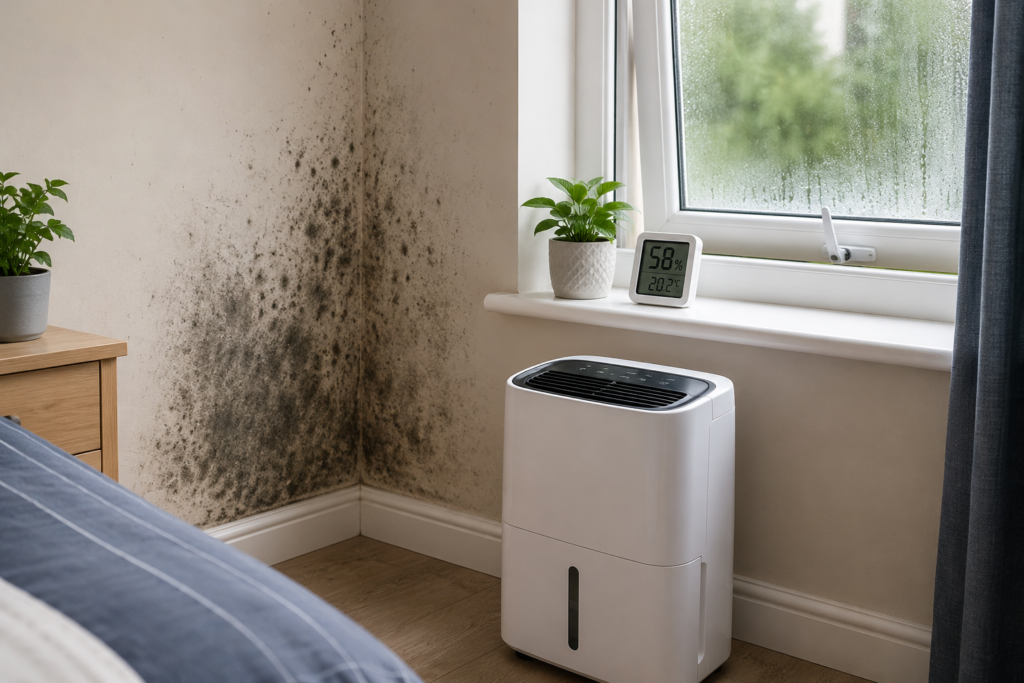
A dehumidifier can be very helpful in a mould-prone home, but it is not a magic fix for every mould problem.
That is the most important point to understand from the start. If mould is being caused by excess moisture in the air, especially from condensation, a dehumidifier can make a real difference by reducing humidity and helping surfaces stay drier. But if mould is being fed by a leak, failed sealant, rising damp or another direct water source, a dehumidifier alone will not solve it.
So the honest answer is yes, dehumidifiers can help stop mould in the right conditions, but only when mould is being driven by airborne moisture and condensation rather than direct water ingress. This guide explains when they work, when they do not, and how to use one properly if your home really would benefit from it. A “when a dehumidifier helps and when it does not” section is included because that is usually the main decision readers need to make before buying one.
If you are still trying to work out whether your mould is actually caused by condensation or by a hidden water problem, read How to Tell If Mould Is Caused by Condensation or a Leak first.
Why This Happens
Mould grows when surfaces stay damp often enough for long enough.
A dehumidifier works by pulling moisture out of the air. That means it can help reduce mould risk where the real problem is:
- high indoor humidity
- condensation on cold surfaces
- moisture from breathing, drying clothes or poor ventilation
- repeated dampness on windows, walls and colder corners
This is why dehumidifiers can be especially useful in:
- bedrooms
- bathrooms with weak extraction
- rental properties with recurring winter condensation
- older homes where ventilation is limited
- rooms where furniture traps moist air against cold walls
But a dehumidifier does not “cure mould” directly. It improves the moisture conditions that allow mould to keep returning. If the mould is being caused by a direct leak, you are dealing with a different problem entirely.
Tools or Materials You May Need
If you are trying to control mould linked to humidity, these are the most useful items:
- Dehumidifier
- Hygrometer
- Microfibre cloths
- Anti-mould cleaner for existing patches
- Window vacuum if condensation is heavy
- Better bathroom extraction or trickle vent use
If you are at the point of choosing a unit, Best Dehumidifier for Condensation in UK Homes is the main buying guide for this cluster.
When a Dehumidifier Helps — and When It Does Not
Before using or buying one, ask which of these sounds more like your home.
A dehumidifier is likely to help if:
- windows get condensation regularly
- mould appears on cold walls, corners or frames
- the room feels humid or stuffy
- indoor drying, showers or poor ventilation raise moisture levels
- the mould is worse in winter
A dehumidifier is unlikely to solve the issue if:
- mould is linked to a pipe leak
- there is water ingress from outside
- a shower, roof or waste connection is leaking
- one localised patch stays damp regardless of room humidity
- paint is bubbling or plaster is soft from direct water damage
That distinction saves a lot of wasted money.
Step-by-Step Fix
Step 1: Confirm that humidity is part of the problem
Do not start with the machine. Start with the cause.
A dehumidifier makes most sense when the home shows signs of excess airborne moisture, such as:
- wet windows
- condensation on walls or frames
- mould in corners and cold spots
- a room that feels damp in the morning
- repeated winter mould without obvious leaks
If you are still unsure whether the issue is even condensation-related, go back to How to Tell If Mould Is Caused by Condensation or a Leak before relying on a dehumidifier to fix it.
Step 2: Put the dehumidifier in the room where the problem actually is
This sounds obvious, but it matters.
A dehumidifier helps most when it is placed where moisture is building up and where mould keeps forming. Common problem rooms include:
- bedrooms
- utility rooms
- bathrooms after use
- rooms with drying clothes
- cold external-wall corners
Putting it in the wrong room and hoping it solves the whole house rarely works well.
Step 3: Use it consistently, not randomly
A dehumidifier is most helpful when used as part of a moisture-control routine rather than switched on only after mould has already appeared.
That usually means using it:
- during colder months
- after showers if bathroom ventilation is weak
- overnight in damp bedrooms if appropriate
- when drying washing indoors
- during periods of visible condensation
A one-off burst of use rarely fixes an ongoing moisture pattern.
Step 4: Keep using ventilation where sensible
One common mistake is treating a dehumidifier as a replacement for ventilation. It is usually better seen as a support for ventilation, not a substitute for it.
You still need to:
- open windows when practical
- use extractor fans
- avoid trapping moist air completely
- allow some airflow around cold surfaces
If you seal the house up tightly and expect the dehumidifier to do everything, you often get a weaker result. This is especially relevant in bedrooms, where How to Stop Condensation on Bedroom Walls explains the wider room conditions that encourage mould in the first place.
Step 5: Clean existing mould properly
A dehumidifier can help stop mould coming back, but it does not remove the mould already there.
You still need to:
- clean affected areas safely
- dry them properly
- watch whether they return
- combine humidity control with ongoing monitoring
If black mould is concentrated around windows rather than broad wall areas, How to Stop Black Mould Around Window Frames (UK Guide) is the more targeted next read.
Step 6: Lower the bigger moisture load in the room
A dehumidifier works best when you also reduce avoidable moisture sources.
That means looking at:
- indoor drying
- poor bathroom extraction
- shutting doors and trapping steam
- very cold rooms
- furniture pressed against external walls
- unventilated wardrobes or corners
This wider approach is often what turns a dehumidifier from “helpful but limited” into something that genuinely changes the room.
When This Is Not a DIY Fix
A dehumidifier is not the right answer, or not enough on its own, if:
- there is a direct leak
- a local mould patch stays damp all the time
- the wall or ceiling is stained or soft
- mould is spreading from a specific plumbing or roof fault
- there are signs of persistent water ingress
- the mould returns rapidly in one isolated place regardless of humidity control
If any of those apply, the priority is not “run the dehumidifier harder”. The priority is finding the water source.
If the mould seems linked to localised bathroom moisture or hidden leakage, How to Tell If Mould Is Caused by Condensation or a Leak is the most relevant supporting guide.
How to Prevent the Problem
A dehumidifier can be part of prevention, but the best prevention is layered.
To stop mould returning:
- reduce indoor humidity
- ventilate properly
- wipe condensation where needed
- keep rooms from getting excessively cold
- move furniture slightly off cold external walls
- use a dehumidifier in problem rooms
- deal with leaks or failed sealant promptly
If your main issue is broader winter moisture across glazing and walls, How to Stop Condensation on Windows is the main cluster hub to combine with dehumidifier use. If you want a broader non-machine approach too, How to Reduce Humidity in a House Naturally should be read alongside it.
Quick Checklist Summary
- Dehumidifiers can help stop mould if the mould is caused by excess humidity and condensation
- They do not fix mould caused by leaks or direct water ingress
- They work best in bedrooms, damp rooms and condensation-prone spaces
- A dehumidifier should support ventilation, not replace it
- Use it consistently in the room where moisture is building up
- Clean existing mould as well as lowering humidity
- If the mould is localised, stained or linked to direct dampness, investigate for a leak instead