Cold draughts coming through the front door are one of the most common causes of heat loss in UK homes. Even small gaps can make a hallway feel freezing and force your heating to work harder than it should.
A good draught excluder is a cheap, simple fix that can make an immediate difference — but there are several types, and not all work well on every door.
This guide compares the best types of draught excluder for front doors, explains when each one works best, and helps you choose the right option for your home.
Why Draughts Around Front Doors Are So Common
Front doors are exposed to:
- Outdoor temperature changes
- Wind pressure
- Settling frames in older houses
Common problem areas include:
- Gaps under the door
- Worn door seals
- Uneven thresholds
- Poorly fitting frames
Even modern doors can develop draughts over time.
Types of Draught Excluder for Front Doors
There isn’t one single “best” draught excluder for every door. The right choice depends on where the draught is coming from.
1. Door Snake / Fabric Draught Excluders
These are weighted fabric tubes that sit against the bottom of the door.
Best for:
- Temporary fixes
- Rental properties
- Very quick solutions
Pros:
- No installation
- Cheap
- Can be moved easily
Cons:
- Only work when the door is closed
- Don’t seal gaps properly
- Need repositioning
2. Brush or Rubber Door Draught Excluders (Stick-On)
These attach to the bottom of the door using adhesive strips or screws.
Best for:
- Gaps under the door
- Wooden and uPVC doors
- Permanent fixes
Pros:
- Effective seal
- Low cost
- Easy DIY install
Cons:
- Adhesive can fail on uneven surfaces
- Needs correct sizing
3. Letterbox Draught Excluders
Cold air often comes straight through the letterbox, especially in winter.
Best for:
- Homes with metal or loose letter flaps
- Older doors
Pros:
- Very effective
- Cheap
- Easy to install
Cons:
- Only fixes letterbox draughts
- Needs to fit existing opening
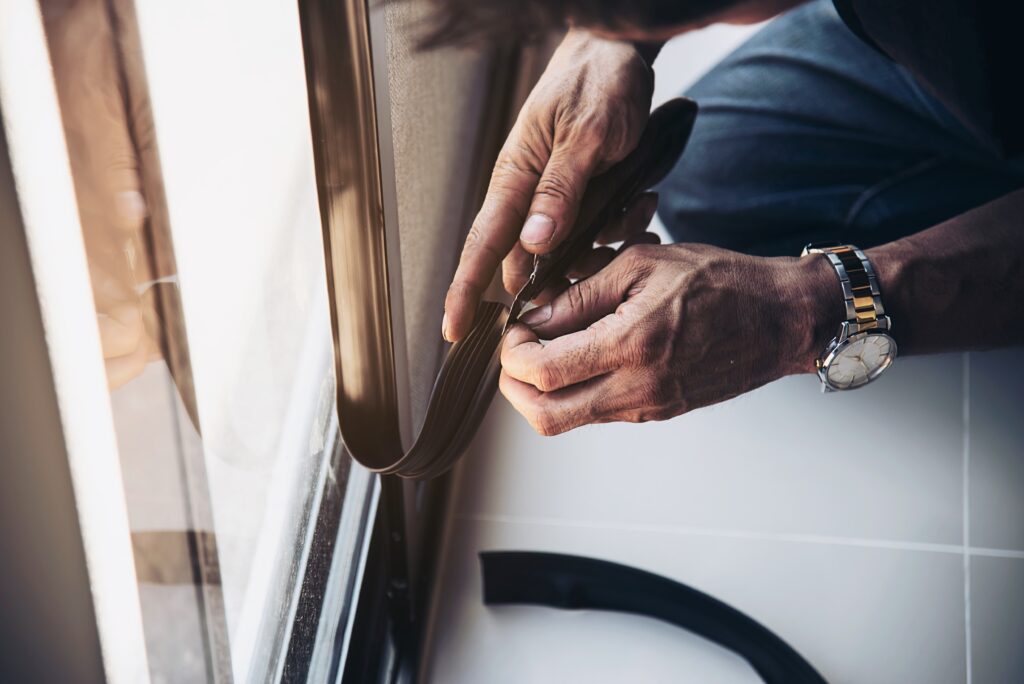
4. Door Frame Seal Strips
These seal gaps around the sides and top of the door frame.
Best for:
- Draughts you can feel around the edges
- Older doors that don’t close tightly
Pros:
- Stops hidden draughts
- Improves overall insulation
- Long-lasting
Cons:
- Slightly more effort to fit
- Needs careful alignment
Comparison Table: Best Draught Excluder Options
| Type | Best For | Installation | Effectiveness |
|---|---|---|---|
| Fabric Door Snake | Temporary fix | None | Low |
| Stick-on door strip | Gaps under door | Easy DIY | High |
| Letterbox cover | Letterbox draughts | Easy DIY | High |
| Frame seal strips | Door Edges | Moderate DIY | Very High |
Which Draught Excluder Is Best for Most Front Doors?
For most UK front doors, the best overall solution is a stick-on brush or rubber draught excluder fitted to the bottom of the door, combined with letterbox insulation if you have one.
This combination:
- Stops the largest air gaps
- Costs very little
- Can be fitted in under 30 minutes
- Makes an immediate difference to comfort
If you can still feel cold air after that, adding frame seal strips usually finishes the job.
When a Draught Excluder Won’t Be Enough
If your door:
- Is badly warped
- Has visible gaps in the frame
- Doesn’t close properly
A draught excluder may help, but it won’t fully fix the issue. In these cases, adjusting the hinges or replacing worn seals may be necessary.
Final Thoughts
A draught excluder is one of the simplest and cheapest ways to improve warmth in your home. The key is choosing the right type for the gap, rather than assuming one solution fits all.
For most homes, starting with the bottom of the door and the letterbox will give the biggest improvement for the least effort.