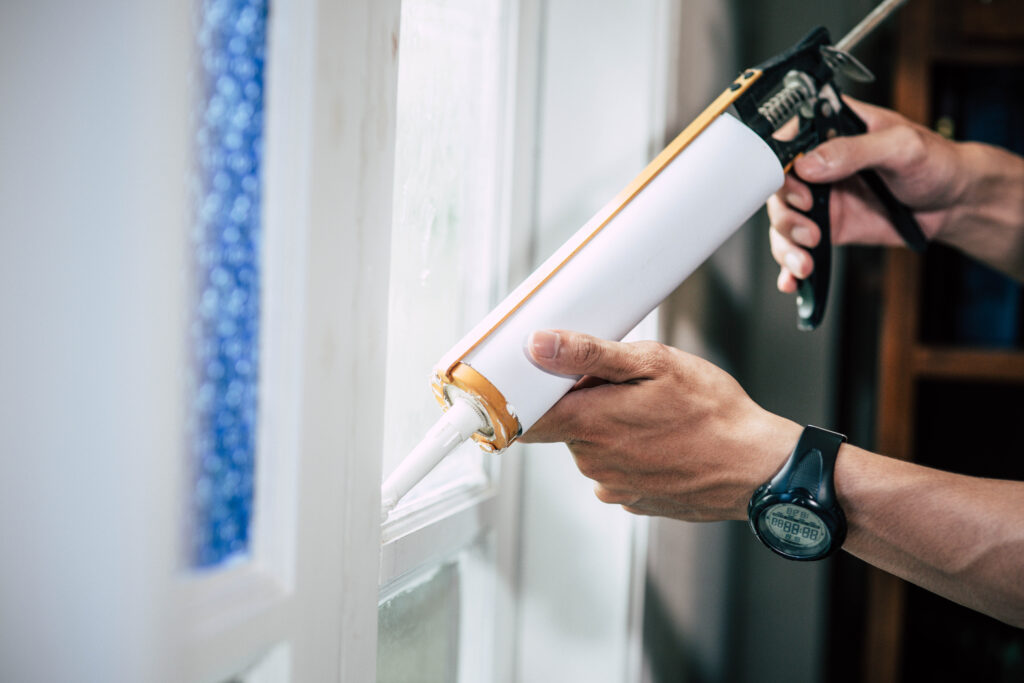
Choosing the right silicone sealant matters more than most people realise. In bathrooms and kitchens, sealant has to cope with constant moisture, cleaning products, temperature changes, and small amounts of movement.
Using the wrong type often leads to:
- Mould returning quickly
- Cracking or peeling
- Water getting behind tiles or baths
- Sealant failing within months
If you’re replacing mouldy sealant, read How to Replace Mouldy Bathroom Sealant first. And if mould keeps returning throughout the home, see How to Stop Condensation on Windows — moisture control always comes first.
This guide explains the types of silicone sealant available in the UK, what actually matters when choosing one, and which type suits different situations.
What Makes a Good Bathroom Silicone?
A proper bathroom sealant should:
- Be designed specifically for sanitary use
- Contain anti-mould additives
- Remain flexible after curing
- Bond well to ceramic, acrylic, and enamel
- Withstand constant water exposure
Cheaper “general purpose” silicone often fails earlier in wet environments.
Types of Silicone Sealant
Sanitary Silicone
Designed specifically for bathrooms and kitchens.
- Usually contains anti-fungal additives
- Suitable for constant moisture
- Best for baths, showers, sinks, and splash zones
For most people, this is the default choice.
Flexible / Movement-Rated Silicone
Designed for areas where slight movement occurs.
- Ideal for acrylic baths that flex
- Better for shower trays
- Higher elasticity than standard sanitary silicone
This reduces cracking when surfaces expand and contract.
General-Purpose Silicone
Not ideal for wet bathroom joints.
- Often cheaper
- Lower mould resistance
- May discolour faster
- More likely to fail in showers
Suitable for dry interior gaps — not baths or shower joints.
Comparison Overview
| Type | Best For | Mould resistance | Flexibility | Suitable for Bathrooms | Notes |
|---|---|---|---|---|---|
| Sanitary silicone | Wet areas | High | Medium | Yes | Best all-round option |
| Flexible / movement rated | Baths / trays that flex | Medium-high | High | Yes | Good for movement |
| General purpose | Dry areas | Low | Medium | Not ideal | Fails sooner in wet zones |
What to Look For When Buying
1. “Sanitary” or Bathroom Labeling
It should clearly state it’s suitable for bathrooms and wet areas.
2. Anti-Mould Protection
Look for long-term mould resistance claims — not just “waterproof.”
3. Flexibility Rating
Movement-rated silicone is better for acrylic baths and shower trays.
4. Clear Cure Time Information
Good manufacturers state:
- Skin time
- Full cure time
- When it can be exposed to water
Avoid products with vague instructions.
5. Smooth Application Consistency
Sealant that’s too runny or too stiff makes neat finishing difficult.
What to Avoid
- General-purpose silicone for shower joints
- Cheap unbranded products with unclear specs
- Applying sealant without drying the area properly
- Sealing over old silicone
If you’re unsure how to remove old sealant correctly, see How to Replace Mouldy Bathroom Sealant.
When to Choose Flexible Silicone Over Standard Sanitary
Choose flexible/movement-rated silicone if:
- Your bath visibly flexes when filled
- You’ve experienced cracking in the past
- The joint is between different materials
- There’s slight structural movement
Flexibility reduces the risk of splits forming along the bead.
When Silicone Might Not Be the Right Product
Silicone isn’t suitable for:
- Dry interior decorative gaps (use decorator’s caulk instead)
- Large structural cracks
- Outdoor expansion joints requiring specialist sealants
Using the wrong product shortens lifespan dramatically.
How to Make Sealant Last Longer
Even the best silicone fails if moisture remains uncontrolled.
To improve lifespan:
- Run extractor fans during and after showers
- Wipe down wet joints after heavy use
- Maintain steady heating
- Avoid constant water pooling
If condensation forms elsewhere in the home, addressing overall humidity using ventilation or a dehumidifier can prevent repeat mould issues.
See:
Sealant quality and moisture control go hand in hand.
Final Thoughts
The best silicone sealant isn’t just about brand — it’s about choosing the right type for the environment.
For most UK bathrooms:
- Use sanitary silicone as standard.
- Upgrade to flexible/movement-rated where baths or trays flex.
- Avoid general-purpose silicone in wet areas.
Apply carefully.
Let it cure fully.
Control moisture properly.
When those three things are done right, sealant can last years instead of months.