Introduction
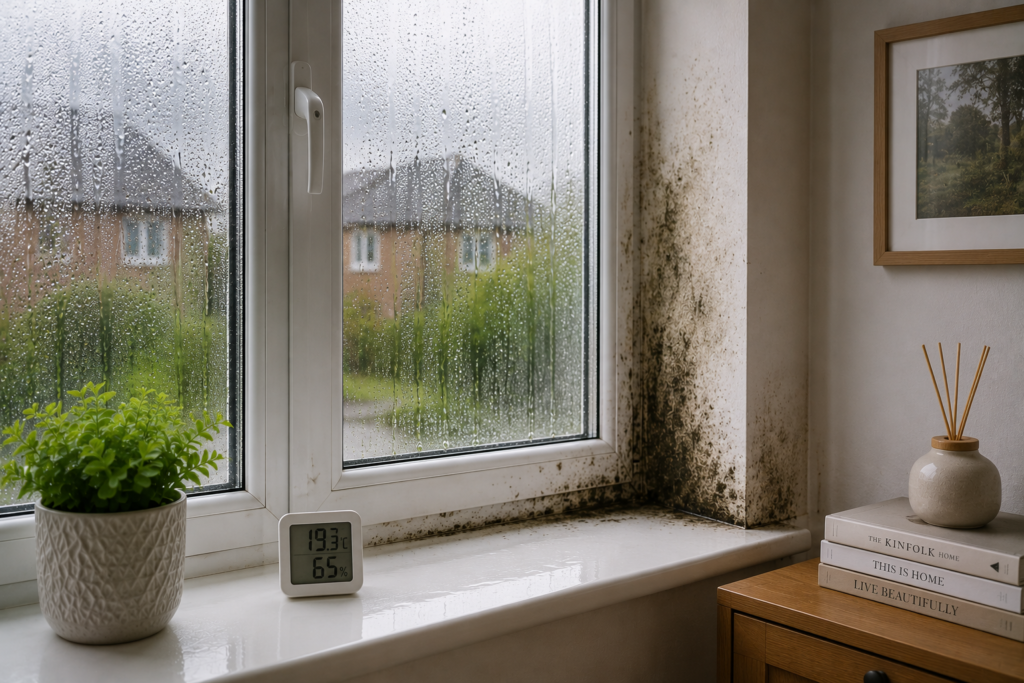
Window condensation looks harmless at first. A bit of misting on the glass, a few droplets on the sill, maybe some water gathering along the bottom edge of the frame. Many homeowners ignore it for months because it seems like a normal winter nuisance rather than a real household problem.
Sometimes that is true. A small amount of condensation on very cold mornings does not automatically mean anything is badly wrong. But repeated window condensation should not be dismissed either. Over time, it can contribute to mould growth, damage to paint and timber, damp smells, stained frames and a generally less healthy indoor environment.
So, is window condensation dangerous? Not usually in the sense of immediate danger, but it can become harmful if it is frequent, heavy or left untreated. This guide explains when condensation is just a manageable moisture issue, when it becomes more serious, and what to do before it starts damaging the room.
Because many people struggle to judge whether their condensation is “normal” or a warning sign, this article includes a simple severity guide to help you assess it more realistically.
Why This Happens
Window condensation happens when warm moist air inside the home hits a cold window surface and cools enough for water to form.
That is normal physics, especially during colder months. The real question is why it is happening so often or so heavily in your home.
Common causes include:
- poor ventilation
- high indoor humidity
- cold bedroom or bathroom windows
- drying clothes indoors
- weak extraction in wet rooms
- inconsistent heating
- trapped moisture overnight
If you are still focused on the basic cause rather than the health or damage implications, Why Do My Windows Get Condensation Every Morning? explains the overnight pattern in more detail, especially in bedrooms.
Tools or Materials You May Need
To manage the problem before it worsens, you may need:
- Microfibre cloths
- Window vacuum
- Hygrometer
- Anti-mould cleaner
- Dehumidifier
- Better ventilation routine
If the room has recurring condensation and you need a more active way to bring humidity down, Best Dehumidifier for Condensation in UK Homes is the most relevant product guide to help you choose something effective.
Condensation Severity Guide
A quick way to judge the risk is to ask which of these situations matches your home.
Low concern
- Light misting on very cold mornings
- Clears quickly after ventilation
- No mould, staining or damp smell
- No pooling water on sills
Moderate concern
- Daily droplets during colder months
- Water regularly sitting on the sill
- Black marks starting around seals
- More than one room affected
Higher concern
- Heavy water build-up every day
- Mould on frames, sealant or nearby walls
- Damp smells in bedrooms or corners
- Damage to paint, plaster, timber or furnishings
- Condensation remains despite wiping and airing
This guide helps you stop treating every case as harmless simply because it appears on glass.
Step-by-Step Fix
Step 1: Decide whether the condensation is occasional or persistent
A small amount on very cold mornings can be manageable. Daily or near-daily condensation is where the issue becomes more significant.
Ask:
- Is it happening every morning?
- Is it only in one room or several?
- Is it getting worse each winter?
- Is mould appearing anywhere nearby?
If it is frequent, it deserves action rather than routine wiping alone.
Step 2: Check for signs of mould or damage
This is where condensation starts moving from inconvenience to potential problem.
Look for:
- black mould on window seals
- mould in corners near the window
- peeling paint
- damp or stained sills
- swollen timber
- musty smells
If black mould is already appearing on or around the frame, How to Stop Black Mould Around Window Frames (UK Guide) is the key next guide because that is one of the clearest signs that condensation is no longer just cosmetic.
Step 3: Improve ventilation before the moisture settles again
The danger is rarely the water you see once. It is the repeated daily moisture cycle.
Improve airflow by:
- opening trickle vents
- airing the room each morning
- improving extraction in bathrooms
- reducing trapped moisture in bedrooms
- not sealing the room too tightly at night
If your home feels both draughty and damp, Why Sealing Draughts Can Reduce Condensation is useful because poor heat retention and condensation often feed into each other.
Step 4: Bring down overall humidity in the room or home
Condensation is often a symptom of excess humidity rather than just cold glass.
Common contributors include:
- indoor clothes drying
- poor extraction after showers
- keeping doors shut in humid rooms
- limited winter ventilation
- overcrowded sleeping rooms
If humidity is clearly a wider issue rather than just a window issue, How to Reduce Humidity in a House Naturally is one of the most useful follow-up articles.
Step 5: Wipe away moisture consistently while solving the cause
Removing the water is still important. Even if it does not solve the root issue, it reduces how long moisture sits on vulnerable surfaces and limits mould growth.
Step 6: Use a dehumidifier where appropriate
If you have already improved ventilation and habits but the room still condenses heavily, a dehumidifier can make a significant difference.
This is especially useful in:
- bedrooms with poor airflow
- rented homes with limited ventilation options
- older houses with repeated winter condensation
- rooms that regularly feel humid in the morning
When This Is Not a DIY Fix
Window condensation itself is usually a DIY-manageable issue, but it needs closer investigation if:
- there is condensation between double-glazed panes
- only one glazed unit is badly affected and appears failed
- the surrounding wall is damp, stained or soft
- mould keeps returning quickly despite cleaning
- you suspect a leak rather than moisture from the air
- health symptoms are worsening in a mouldy room
If you are unsure whether you are dealing with normal indoor condensation or something leak-related, How to Tell If Mould Is Caused by Condensation or a Leak is the most relevant next read.
How to Prevent the Problem
The best way to stop window condensation becoming dangerous is to stop it becoming routine.
Focus on:
- better daily ventilation
- lower indoor humidity
- wiping windows during cold periods
- improving extraction after showers
- avoiding indoor clothes drying in living and sleeping spaces
- keeping room temperatures more stable
- using a dehumidifier if needed
The broader household plan is covered in How to Stop Condensation on Windows, which is the main cluster hub for preventing this across multiple rooms.
Quick Checklist Summary
- Window condensation is not usually dangerous immediately, but repeated condensation should not be ignored
- It becomes more serious when it causes mould, damage, damp smells or poor indoor air quality
- Daily condensation is a bigger concern than occasional light misting
- Check for mould, frame damage and moisture on nearby walls or sills
- Improve ventilation and reduce humidity rather than only wiping the glass
- Use a dehumidifier if the problem is persistent
- Investigate further if moisture is between panes or you suspect a leak