Introduction
PTFE tape and thread sealants are small, inexpensive products, but they can make the difference between a dry plumbing repair and a frustrating slow leak that appears the moment you turn the water back on.
For many bathroom DIY jobs in UK homes, a threaded joint needs help creating a watertight seal. That might be a shower hose connection, a threaded fitting on a tap assembly, or a plumbing component being reinstalled after maintenance. Used properly, PTFE tape or the right thread sealant helps fill tiny gaps in the threads and improves the seal. Used badly, it can bunch up, leak, or create the false impression that a damaged fitting has been fixed when it has not.
This guide covers the best PTFE tape and thread sealant options for bathroom plumbing, what each type is actually for, and when you should avoid using them. Because beginners often use PTFE tape where it is not needed, this article includes an extra “when to use PTFE and when not to” section to prevent common mistakes before they happen.
If you are building a basic DIY toolkit around real repairs rather than random products, start with How to Fix Common Bathroom Plumbing Problems (UK Guide), which shows where sealing products fit into common jobs. And if you are buying tools at the same time, Best Adjustable Spanners for Plumbing (UK) is the most useful companion guide for handling bathroom fittings without damaging them.
Quick Recommendation
For most bathroom DIY in the UK, the best all-round choice is a good-quality medium-density PTFE tape from a trusted plumbing brand, backed up by a specialist thread sealant for jobs where tape is not ideal or where a more controlled application is useful.
That combination covers most household needs because:
- PTFE tape is simple, cheap and effective on suitable threaded joints
- Paste or liquid thread sealants can be easier on awkward fittings
- Good-quality products are more reliable than ultra-cheap generic rolls
- The right sealant makes installation cleaner and more predictable
For most beginners, the mistake is not choosing between two excellent products. It is buying the wrong type, applying too much, or using PTFE tape on a fitting that relies on a washer or compression seal instead.
Product Comparison Table
| Product Type | Best For | Main Strength | Main Weakness | Best Buy For |
|---|---|---|---|---|
| Standard White PTFE Tape | General household plumbing threads | Cheap, simple, widely available | Easy to misuse or overwrap | Most DIY bathroom jobs |
| High-Density PTFE Tape | More demanding threaded joints | Better body and sealing ability | Slightly higher cost | Better-quality DIY repairs |
| PTFE Thread Seal Cord | Controlled application on awkward threads | Neater and adjustable | Less familiar to beginners | Precision work and awkward access |
| Non-Setting Thread Sealant Paste | Joints where paste is preferred | Good control and coverage | Messier if overused | Experienced DIYers and repair kits |
| Liquid Thread Sealant | Specific threaded connections and cleaner application | Can be very reliable when correctly chosen | Must match use case carefully | Targeted plumbing jobs |
Best Options Explained
Standard White PTFE Tape
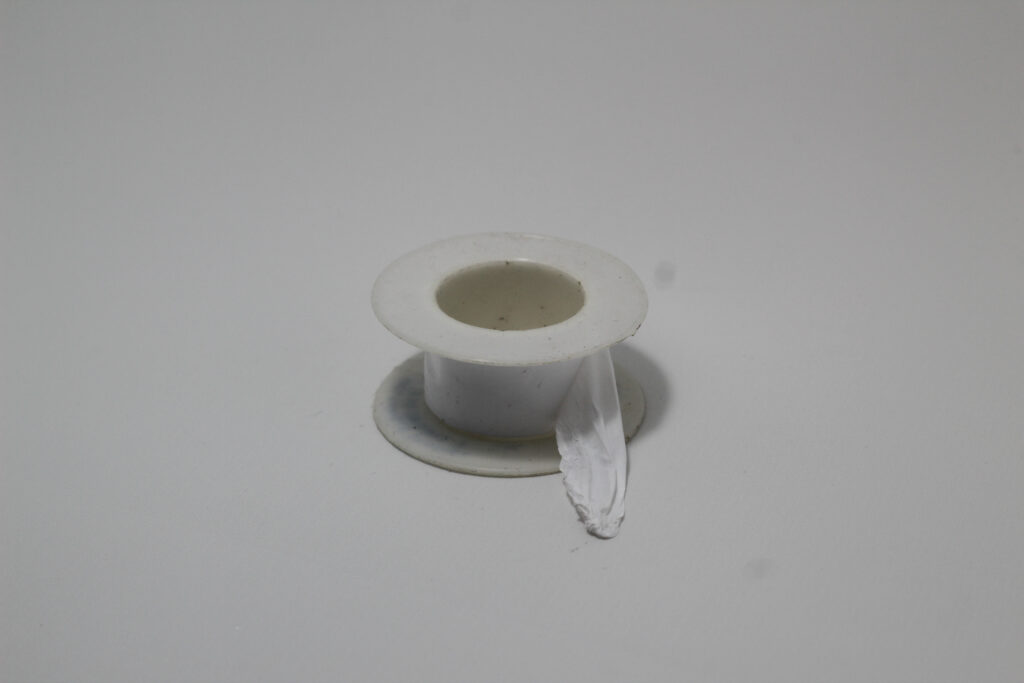
This is the product most people think of first, and for good reason. It is inexpensive, easy to store and suitable for many threaded plumbing jobs around the bathroom.
A good standard PTFE tape works well when:
- The fitting uses a threaded seal rather than a washer
- The threads are in good condition
- You need a quick, accessible sealing product
- The joint is small to medium duty in a domestic setting
It is a useful product for tap and shower-related repairs, but only when the fitting genuinely requires it. If you are working on a tap problem rather than a threaded pipe joint, How to Fix a Leaking Tap (Beginner Friendly UK Guide) may save you sealing the wrong part.
High-Density PTFE Tape
High-density PTFE tape is often the better choice if you want something more substantial than the thinnest bargain rolls. It tends to feel more consistent, tears less awkwardly and can be easier to apply cleanly.
It is a strong option if:
- You want a better-quality general-purpose tape
- You are sealing slightly larger or more demanding threads
- You dislike very flimsy tapes that snag or bunch
- You want a more dependable DIY stock item
For many homeowners, this is the best version to keep in the toolbox rather than the cheapest multi-pack available.
PTFE Thread Seal Cord
Thread seal cord is less common in casual DIY use, but it can be excellent when you want more control than tape offers. It is especially helpful on awkward threaded joints where wrapping tape neatly is difficult.
It suits:
- Tight access areas
- Users who want more controlled placement
- Fittings where tape tends to snag during assembly
It is not essential for everyone, but it can be a very good upgrade once you understand where it performs better than tape.
Non-Setting Thread Sealant Paste
Thread sealant paste can work very well where the right product is chosen for the right fitting. It gives a different kind of coverage and can be easier to apply neatly once you get used to it.
It is often useful when:
- You want more visible control over the sealant
- The fitting is awkward to wrap with tape
- The instructions for the fitting allow or prefer paste
The main risk is overuse. More sealant does not automatically mean a better seal.
Liquid Thread Sealants
Liquid sealants can provide a cleaner, more controlled seal on certain threaded joints, but they are not a blanket replacement for PTFE tape. Suitability matters more here, so always check whether the product is intended for the plumbing application you are working on.
How to Choose the Right Option
First, Work Out Whether the Joint Actually Needs PTFE or Thread Sealant
This is the most important decision.
Many beginners assume any threaded fitting needs tape. That is not true. Some joints seal with:
- A rubber washer
- A fibre washer
- A compression olive
- A factory-made seal within the fitting
Adding PTFE tape to the wrong joint can make sealing worse rather than better.
Choose Better-Quality Tape Over the Cheapest Available
Very cheap PTFE tape can be frustrating to use because it may:
- Tear too easily
- Stretch badly
- Apply unevenly
- Feel too thin to work with comfortably
A slightly better tape is usually worth it because the whole job becomes easier.
Think About the Size and Access of the Joint
For small accessible domestic fittings, tape is often perfectly adequate. For awkward or deeper fittings, seal cord or paste may be easier to apply consistently.
Match the Product to the Job, Not Just the Brand Name
The best product is the one suited to the fitting in front of you, not the one with the broadest advertising claim.
When to Use PTFE Tape and When Not To
This extra section is worth reading before you buy.
Use PTFE Tape When
- The fitting seals on the thread
- The manufacturer or product instructions allow it
- The thread is clean and in good condition
- The joint is a typical domestic threaded plumbing connection
Do Not Use PTFE Tape When
- The seal is made by a rubber washer or gasket
- The fitting is compression-based rather than thread-sealing
- The instructions specifically say not to use it
- The thread is damaged and needs replacement, not wrapping
- You are trying to compensate for a cracked or faulty fitting
If the leak is coming from a failing component rather than a thread, the correct repair may be to replace the part instead. For example, Best Toilet Flush Valve Replacement Kits (UK) is the more relevant guide if the problem is inside the cistern rather than at an external threaded joint.
Common Buying Mistakes
Buying PTFE Tape and Assuming It Solves Every Plumbing Leak
It does not. It only helps on the right threaded joints.
Buying the Cheapest Pack With No Real Quality Information
Poor-quality tape often creates more hassle than it saves in cost.
Using Too Much Tape
Overwrapping can prevent correct assembly and may distort the fit of the joint.
Ignoring the Condition of the Fitting
PTFE cannot rescue a cracked plastic thread, a damaged fitting or a failed washer-based connection.
Treating Thread Sealants as Interchangeable
They are not. Some are better suited to specific jobs than others.
When You May Not Need This Product
You may not need PTFE tape or thread sealant if:
- The fitting seals using a washer or gasket
- The leak is from a tap cartridge, not the thread
- The problem is a worn flush valve or fill valve inside the cistern
- The joint is compression-based and the issue is elsewhere
- The fitting itself is damaged and needs replacing
If you are diagnosing a bathroom issue before buying repair materials, How to Spot a Hidden Leak in a Bathroom helps narrow down whether you are dealing with a seal problem, a component failure or something more structural.
Related Fix Guides
- How to Fix Common Bathroom Plumbing Problems (UK Guide)
- How to Fix a Leaking Tap (Beginner Friendly UK Guide)
- How to Fix a Leaking Bathroom Waste Trap
- Best Adjustable Spanners for Plumbing (UK)
- Best Toilet Flush Valve Replacement Kits (UK)
- How to Spot a Hidden Leak in a Bathroom