Introduction
If your windows feel cold around the edges, whistle in windy weather or let in a faint but constant draught, worn window seals are often part of the problem.
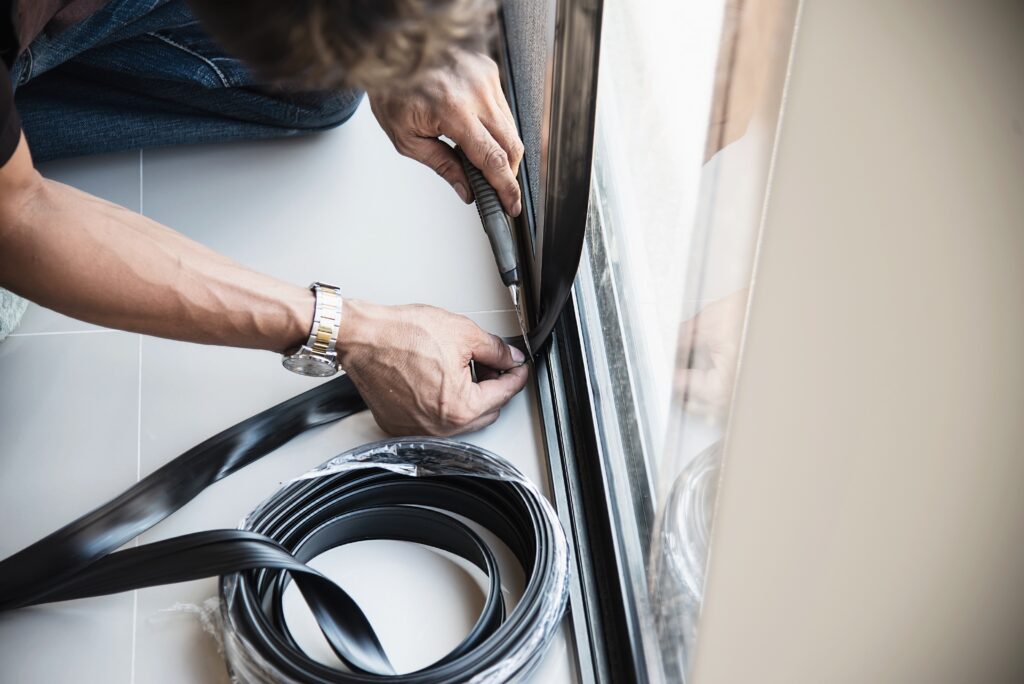
In many UK homes, especially those with older uPVC windows, the rubber gasket around the opening sash slowly hardens, shrinks, flattens or splits. Once that happens, the window may still shut, but it no longer compresses tightly enough to keep cold air out. That can make rooms feel noticeably less comfortable even when the heating is on.
A replacement kit can be a very worthwhile buy, but only if you choose the right type. The biggest mistake beginners make is buying a generic seal without checking the profile shape, groove fit or whether the problem is actually the seal at all. This guide includes an extra seal-profile matching section because that is the part most likely to save you money and stop you ordering the wrong product.
If you are still working out whether the problem is definitely around the window opening rather than elsewhere in the room, start with How to Identify Hidden Draughts in Your Home, which helps you isolate the true source before you spend money on parts. You may also want the wider overview in How to Stop Draughts in Your Home (UK Guide) if you are dealing with several draught issues at once rather than one faulty window.
Quick Recommendation
For most UK homeowners with standard uPVC casement windows, the best choice is usually a quality EPDM bubble or flipper gasket replacement kit sold by profile type and supplied in a long enough roll to complete multiple windows.
The best kits are not necessarily the ones with the loudest marketing claims. The better option is usually the kit that gives you:
- A clearly identified seal profile
- Durable EPDM rubber rather than cheap foam substitutes
- Enough length for mistakes and offcuts
- Real guidance on which groove or application it suits
- Consistent flexibility in cold conditions
If you already know the seal is damaged, a proper gasket kit is usually better value than trying to patch the problem with temporary self-adhesive strips. Adhesive products can help in some situations, but they are not a full replacement for a failed push-fit gasket.
Product Comparison Table
| Product Type | Best For | Main Strength | Main Weakness | Best Buy For |
|---|---|---|---|---|
| EPDM Bubble Gasket Kit | Standard uPVC opening windows | Good compression and long life | Must match profile correctly | Most homeowners replacing worn sash seals |
| EPDM Flipper Gasket Kit | Older uPVC systems and some frame applications | Good for profile-specific replacements | Easier to buy the wrong shape | Homes with existing flipper-style seals |
| Universal Self-Adhesive Rubber Seal | Small secondary gaps or temporary improvement | Easy to fit without removing old gasket | Less durable and less precise | Short-term draught reduction |
| Brush/Compression Hybrid Seal | Sliding sections or awkward non-standard gaps | Useful for unusual applications | Not suitable for most standard sash grooves | Problem windows with non-standard sealing needs |
| Bulk Professional Gasket Roll | Whole-house replacement work | Better value per metre | Wasteful for one small repair | Multiple windows or larger upgrades |
Best Options Explained
1. EPDM Bubble Gasket Kits
For many UK uPVC windows, this is the most useful category.
Bubble gaskets have a rounded or slightly oval sealing section that compresses when the window closes. When the profile is correct and the window is adjusted properly, they provide a reliable weather seal and noticeably improve comfort.
They are a strong choice if:
- The current seal looks rounded rather than fin-shaped
- The old gasket has become hard or flattened
- You want a durable replacement rather than a quick patch
These are often the best option when the symptom is cold air around the opening edge rather than visible structural gaps. If the gap appears to be between the frame and the wall rather than in the opening seal itself, read How to Stop Draughts Around Windows before ordering, because the real fix may be elsewhere.
2. EPDM Flipper Gasket Kits
Flipper seals usually have a flatter flexible lip rather than a rounded bulb.
They are common in certain older window profiles and can work very well, but they are less forgiving to buy because the shape and leg size matter more. If you choose the wrong one, the seal may sit badly, drag, or fail to compress correctly.
Choose this type if:
- Your old seal clearly has a flat lip or “flipper” shape
- You are matching an existing profile exactly
- The supplier provides dimensional guidance, not just vague compatibility claims
3. Universal Self-Adhesive Rubber Seals
These are often sold as a quick answer to draughty windows. They can help, but they are not a like-for-like substitute for a proper push-in window gasket.
They are most useful when:
- You need a temporary improvement
- The existing system is hard to match immediately
- You have a minor secondary gap rather than a fully failed original seal
They are less useful when the original gasket has clearly failed and needs proper replacement.
4. Bulk Gasket Rolls
If several windows around the home are showing the same symptoms, bulk rolls can be excellent value. This is especially true in houses where the windows were installed together and the same seal profile was used throughout.
They suit:
- Whole-house draught improvement
- Replacing seals room by room
- Homes with multiple similarly aged windows
If your issue extends beyond one window and is affecting general comfort, combining seal replacement with the checks in How to Stop Cold Air Coming Through Window Gaps can help you separate sash-seal problems from frame-perimeter leakage.
How to Choose the Right Option
Match the Seal Profile First
This matters more than brand.
Take out a short section of the old seal from a discreet corner and inspect its shape. Do not guess from a product photo online if you can avoid it. Common profiles may look similar in listings but behave very differently once installed.
Check:
- The visible sealing shape
- The size of the push-in leg or foot
- The groove width
- Whether the seal sits in the sash or frame
- Whether the old seal is compressed from wear and therefore slightly misleading
A seller that provides dimensions and profile diagrams is usually more trustworthy than one that only says “fits most uPVC windows”.
Choose EPDM Over Cheap Foam Alternatives
EPDM rubber is usually the better material for proper replacement work because it stays flexible, handles weather exposure well and lasts longer than lower-grade materials.
That does not mean every EPDM listing is excellent, but it is normally the material to look for first if you want a lasting result.
Buy Enough Length
Beginners often underestimate how much seal they need.
Measure the opening perimeters of the windows you plan to repair, then add extra for:
- Trimming errors
- Practice cuts
- Wasted ends
- A spare section for future repairs
Buying a kit that is too short often turns a one-job fix into a stop-start job.
Check Whether the Problem Is Really the Seal
A worn gasket is common, but not every draughty window needs new seals. The problem may instead be:
- Poor hinge compression
- Misalignment
- Frame-to-wall gaps
- Failed trim sealing
- General window adjustment issues
If the sash does not pull in tightly enough, the gasket may be fine but not being compressed properly. In those cases, replacing the seal alone may disappoint.
Seal Profile Matching Checklist
| Question | Why It Matters |
|---|---|
| Does the old seal look like a bubble or a flipper? | This narrows the category immediately |
| Is the push-in foot visible and measurable? | The groove fit is critical |
| Is the seal definitely removable and not bonded in place? | Some systems differ from standard push-fit gaskets |
| Is the draught around the opening sash rather than the outer frame? | This confirms the seal is the likely issue |
| Do multiple windows use the same profile? | Useful if buying a larger kit |
Before you buy, run through this simple check.
This extra step can save more hassle than any product review ever will.
Best Options Explained in Real Buying Terms
When comparing listings, ignore exaggerated claims like “ultimate”, “industrial” or “professional grade” unless they are backed up with useful detail. Instead, favour products that clearly explain:
- What profile the seal matches
- Whether it is EPDM
- What length is included
- Where it should be fitted
- Whether it suits sash seals, frame seals or general draught-proofing
In practical DIY terms, the best listing is usually the one that reduces uncertainty.
Common Buying Mistakes
Buying by Window Brand Alone
A brand name can help, but it is not enough by itself. Windows from the same broad category may still use different seal profiles.
Assuming All uPVC Window Seals Are Universal
They are not. Some are similar enough to be confused, but a near match is not always a good match.
Using Self-Adhesive Strip Instead of a Proper Gasket
For a small secondary gap, that may be fine. For a failed gasket, it is usually a compromise.
Ignoring Other Draught Sources
If the room is still cold after the seal is replaced, another route may be involved. How to Stop Cold Air Coming Through Floorboards can be surprisingly relevant in old houses where the discomfort feels like a window draught but is actually low-level airflow from elsewhere in the room.
When You May Not Need This Product
You may not need a window seal replacement kit if:
- The seal still feels soft and intact
- The sash is not closing tightly due to hinge or alignment issues
- The draught is clearly from the plaster line or trim around the frame
- Condensation rather than airflow is the main issue
In those cases, a different fix may be more effective than replacing the gasket.
Related Fix Guides
If you are improving window comfort and trying to stop cold air properly rather than masking it, these guides should be your next reads:
- How to Stop Draughts in Your Home (UK Guide) for the wider picture if several parts of the house feel leaky
- How to Replace Window Rubber Seals if you want the step-by-step fitting process after choosing a kit
- How to Stop Draughts Around Windows if you suspect the problem may be around the frame or trim rather than just the gasket
- How to Identify Hidden Draughts in Your Home if you want to test the room first before ordering parts
- How to Stop Cold Air Coming Through Window Gaps if the symptom is cold air around the window but you are not yet sure exactly where it is entering
- How to Stop Condensation on Windows if poor window sealing is contributing to colder glass and moisture problems as well as draughts