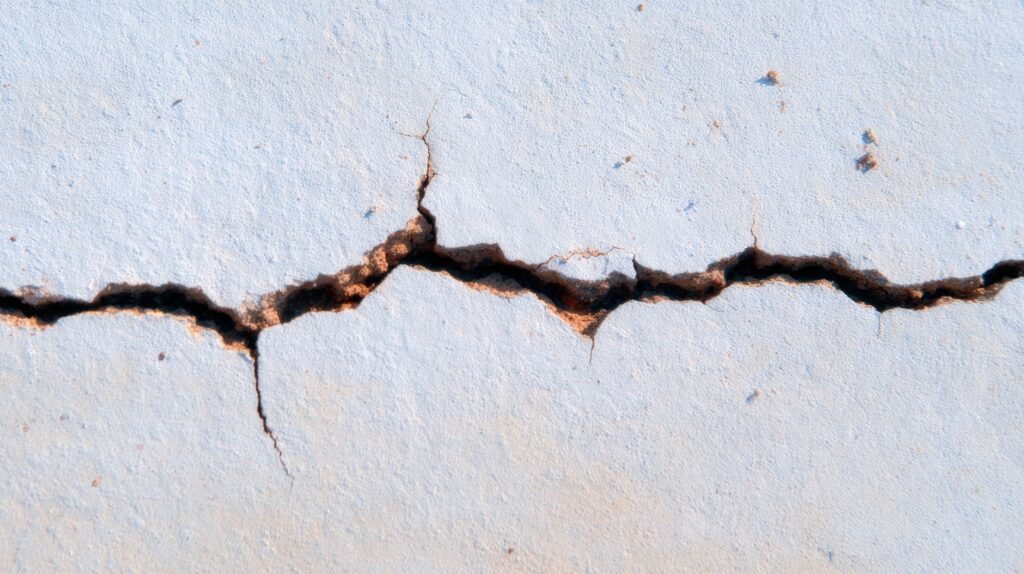
Cracks in plaster walls are common in UK homes, especially older properties. They can look worrying, let in draughts, and make a room feel tired — but most cracks are cosmetic and straightforward to fix yourself.
This guide explains how to fix a cracked plaster wall, from quick temporary repairs to longer-lasting permanent solutions. It’s written for beginners, uses UK materials and measurements, and focuses on doing the job properly without overcomplicating things.
Why Plaster Walls Crack
Before fixing the crack, it helps to understand why it appeared. This affects how you repair it and whether it might come back.
Common causes in UK homes include:
- Natural movement – Houses expand and contract with temperature and humidity changes
- Settlement – Older properties slowly shift over time
- Poor original plastering – Thin or rushed plaster can crack years later
- Impact damage – Doors, furniture, or accidental knocks
- Vibration – From stairs, slamming doors, or nearby traffic
Hairline cracks are usually harmless. Wide, stepped, or growing cracks may indicate a structural issue and should be checked by a professional.
Tools & Materials Needed
You won’t need specialist tools. Most items are inexpensive and widely available in UK DIY shops.
Basic Tools
- Filling knife or scraper (50–100mm)
- Utility knife
- Sandpaper (120–180 grit)
- Dust brush or vacuum
- Clean cloth or sponge
Materials
- Ready-mixed wall filler or powdered filler
- Scrim tape (self-adhesive fibreglass tape)
- PVA adhesive (diluted)
- Fine surface filler (for finishing)
- Primer or mist coat paint
- Matching wall paint
Step-by-Step Fixes (Temporary → Permanent)
Quick Temporary Fix (Hairline Cracks)
Best for: very fine cracks that don’t move.
- Clean the crack with a dry brush.
- Press ready-mixed filler into the crack using a filling knife.
- Smooth off and remove excess.
- Leave to dry (usually 1–2 hours).
- Lightly sand and repaint.
⚠️ This may reappear if the wall moves again.
Standard Repair (Most Common Cracks)
Best for: visible cracks up to 3–5mm wide.
- Open the crack
- Use a utility knife to widen it slightly into a shallow V-shape. This helps the filler bond properly.
- Clean and seal
- Remove dust, then brush on diluted PVA (1 part PVA to 4 parts water). Let it go tacky.
- Apply filler
- Press filler firmly into the crack, slightly overfilling.
- Smooth and dry
- Flatten with the knife. Allow to dry fully (check product instructions).
- Sand and finish
- Sand smooth, apply a thin skim of fine filler if needed, then sand again.
- Prime and paint
- Apply primer or a mist coat before repainting.
Long-Lasting Repair (Recurring or Wider Cracks)
Best for: cracks that keep returning or are over 5mm wide.
- Open and clean the crack as above.
- Apply diluted PVA.
- Stick scrim tape over the crack.
- Apply filler over the tape, feathering the edges.
- Allow to dry, sand smooth.
- Apply a finishing skim if required.
- Prime and repaint.
Scrim tape reinforces the repair and helps prevent future cracking.
Common Mistakes to Avoid
❌ Filling without opening the crack – leads to weak repairs
❌ Skipping PVA – filler won’t bond properly to dusty plaster
❌ Over-sanding – creates dips you’ll see after painting
❌ Painting without priming – causes flashing (patchy paint)
❌ Rushing drying times – cracks can reappear
Safety Notes
- Wear a dust mask when sanding plaster
- Use a stable step ladder if working at height
- Be cautious near sockets — turn off power if unsure
- If cracks are wide, diagonal, or keep growing, seek professional advice
Product Suggestions (UK)
Budget Options
- Polycell Ready Mixed Filler
- B&Q Diall Multi-Purpose Filler
- Generic fibreglass scrim tape
Best Quality
- Toupret Interior Filler
- Gyproc Easifill
- Blue Dolphin scrim tape
- Zinsser Bulls Eye 1-2-3 Primer
These products are reliable, beginner-friendly, and widely stocked in the UK.
Frequently Asked Questions
How do I know if a crack is serious?
If the crack is wider than 5mm, stepped, or keeps growing, it may be structural. Cosmetic cracks are usually straight and stable.
Can I fix cracked plaster as a renter?
Yes, minor cosmetic repairs are usually acceptable, but check your tenancy agreement before starting.
How long does filler take to dry?
Ready-mixed fillers typically dry in 1–2 hours; deeper repairs may need overnight drying.
Will cracks come back?
They can if the wall continues to move. Using scrim tape greatly reduces this risk.
Can I paint straight over filler?
No. Always prime or mist coat first to avoid patchy paint.
Final Thoughts
Learning how to fix a cracked plaster wall is a useful skill for any UK homeowner or renter. Most cracks are cosmetic, inexpensive to repair, and well within beginner DIY territory. Take your time, prep properly, and you’ll achieve a clean, long-lasting result.
For recurring cracks, using a flexible wall filler usually gives better long-term results.