Introduction
A blocked drain is one of the most common household plumbing problems, and it is often one of the most mismanaged. Many people reach straight for chemical drain cleaners, only to find the blockage barely improves, the smell remains, and the pipework is now full of harsh liquid that makes the next step more awkward.
In many bathroom plumbing situations, a simple mechanical drain unblocker tool is the better first choice. A decent plunger, drain snake or similar tool can often shift the blockage more effectively, with less mess and without relying on chemicals. The real challenge is choosing the right tool for the type of blockage and the location involved.
This guide explains the best drain unblocker tools in the UK, which ones actually suit bathroom DIY, and how to choose between plungers, snakes and other common manual options. Because matching the tool to the blockage is the biggest factor in success, this article includes an extra blockage-to-tool section before the buying advice.
If you are dealing specifically with a bathroom sink issue, How to Fix Common Bathroom Plumbing Problems (UK Guide) is the main cluster hub. If your sink is already draining slowly or fully blocked, How to Unblock a Bathroom Sink (Without Chemicals First) is the direct repair guide that explains the step-by-step process before you buy tools.
Quick Recommendation
For most UK households, the best setup is a good sink plunger for simple blockages and a flexible manual drain snake for hair and deeper bathroom drain obstructions.
That combination covers the majority of common bathroom problems because:
- a plunger is quick and effective on simple local blockages
- a snake is better for hair, trapped debris and awkward drain obstructions
- both tools can be reused many times
- you avoid defaulting to chemicals for every blockage
- the right manual tool often solves the problem faster and more cleanly than guesswork
If you only buy one, the better choice depends on the most likely blockage in your home. For many bathroom sinks, a flexible drain snake is the most useful first purchase because hair and soap residue are such common causes.
Product Comparison Table
| Product Type | Best For | Main Strength | Main Weakness | Best Buy For |
|---|---|---|---|---|
| Sink Plunger | Simple local sink blockages | Fast and easy to use | Less effective on hair deeper in the trap | General first-response blockages |
| Flexible Manual Drain Snake | Hair and soap blockages deeper in the waste | Better reach and physical removal | Needs a little more patience | Bathroom sink and shower blockages |
| Hand-Crank Auger | Tougher or slightly deeper blockages | More force and reach | Can be more awkward in very small fixtures | Repeated drain issues |
| Disposable Hair Removal Tool | Very shallow hair build-up | Cheap and simple | Limited reach and reuse | Light maintenance and minor blockages |
| Multi-Tool Drain Cleaning Kit | Homes wanting several options | Versatile | Quality varies by kit | General home plumbing maintenance |
Best Options Explained
Sink Plungers
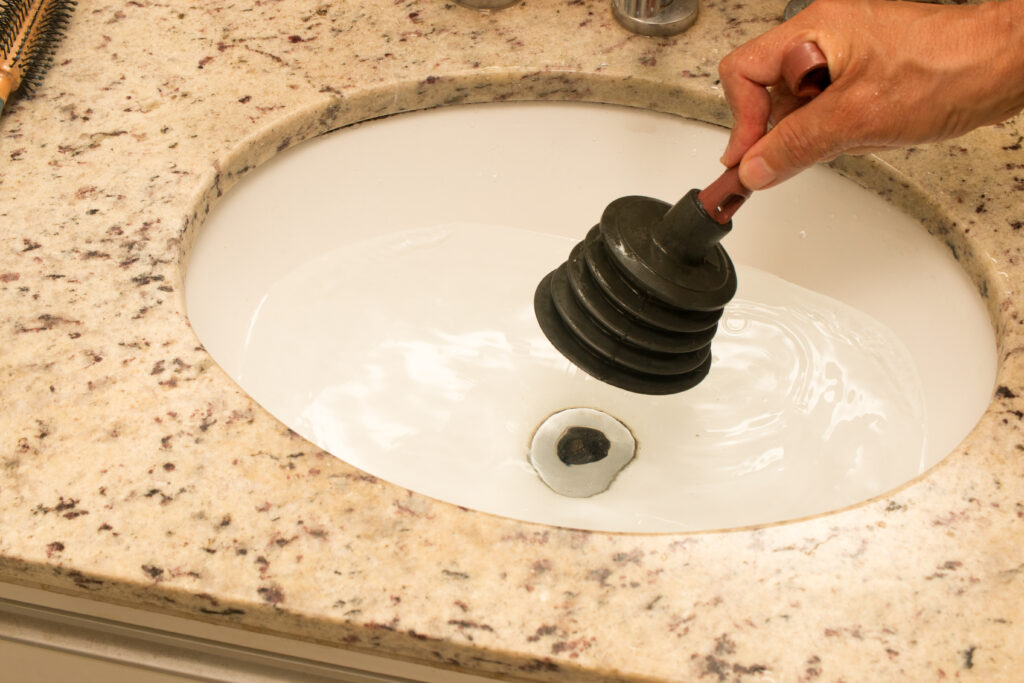
A proper sink plunger is one of the most useful first-line tools for a bathroom blockage. It is quick to try, reusable and can often clear a simple blockage without dismantling anything.
It is most useful when:
- the sink is draining slowly but not fully solid
- the blockage is fairly local
- the issue has appeared suddenly
- you want to try the simplest mechanical fix first
The key is using a plunger designed for sink use rather than a large toilet plunger that does not seal well on a basin.
Flexible Manual Drain Snakes
For bathroom sinks, this is often the most effective single tool category.
A flexible drain snake is excellent for:
- hair build-up
- soap residue tangles
- debris sitting beyond immediate plunger reach
- repeated sink blockages caused by trapped matter
This is especially relevant in bathroom basins, where hair and product residue are common causes. If that is the exact problem you are dealing with, How to Unblock a Bathroom Sink (Without Chemicals First) is the main supporting guide.
Hand-Crank Augers
These are a step up in force and reach. They are useful when a basic flexible snake is not enough, or when the blockage seems a little deeper or more stubborn.
They are a better choice when:
- the blockage keeps returning
- simple plunging has failed
- you want a more robust reusable tool
- you are comfortable using a slightly more involved manual tool
Disposable Hair Removal Tools
These can work well for very shallow blockages and preventative maintenance, especially where the issue is just hair near the top of the waste. They are simple, but not a substitute for a more capable tool if the blockage is deeper.
Multi-Tool Drain Cleaning Kits
These can be sensible if you want one purchase that covers several types of minor household blockages. The quality varies, though, so a smaller number of decent tools is usually better than a large kit full of flimsy pieces.
How to Choose the Right Option
Match the Tool to the Likely Blockage
This is the biggest decision.
Ask:
- is the sink draining slowly or fully blocked?
- is hair the likely cause?
- has plunging already failed?
- is the blockage probably in the trap or further along?
- do you want a reusable long-term tool or a quick one-off option?
Different tools solve different problems. Buying the wrong type is one of the main reasons people assume manual drain tools “do not work”.
Think About Fixture Type
A bathroom sink, shower waste and toilet are all different environments. A tool that is excellent for one is not automatically ideal for another.
Choose Reusability and Control Over Gimmicks
Many flashy “miracle unblocker” products are less useful than a well-made plunger or a simple flexible snake.
Blockage-to-Tool Guide
Before buying, use this quick guide:
| Likely Problem | Best Tool Type | Why |
|---|---|---|
| Simple local sink blockage | Sink plunger | Quick pressure-based first fix |
| Hair and soap in bathroom sink waste | Flexible manual drain snake | Best at grabbing and removing debris |
| Repeated deeper blockage | Hand-crank auger | Better reach and force |
| Very shallow hair build-up | Disposable hair remover | Quick maintenance tool |
| Mixed household plumbing issues | Multi-tool kit | Useful if quality is decent |
This section is often more useful than brand claims because it starts with the actual blockage.
What Makes a Good Drain Unblocker Tool?
Suitable Size for the Fixture
A bathroom sink needs a tool that actually fits and seals appropriately.
Decent Build Quality
Flimsy tools can bend, snag or become frustrating very quickly.
Practical Reach
The best tool is one that can reach the likely blockage without being awkward to use.
Ease of Cleaning After Use
Drain tools are messy by nature. A tool that cleans up sensibly is far more likely to be reused.
Reusability
A durable manual tool is usually much better long-term value than repeatedly buying throwaway solutions.
Common Buying Mistakes
Buying a Huge Toilet Plunger for a Bathroom Sink
It often seals badly and is harder to use effectively.
Choosing a Very Cheap Snake That Kinks or Snaps
Poor build quality matters more here than many people expect.
Using Chemicals First Every Time
This often makes later manual work less pleasant and does not always solve the blockage well.
Buying a Shallow Hair Tool for a Deeper Problem
Light maintenance tools are not the same as true drain-clearing tools.
Assuming All Slow Drains Need the Same Tool
A trap blockage and a deeper waste-line issue are not the same problem.
When You May Not Need This Product
You may not need a new drain unblocker tool if:
- the trap just needs cleaning manually
- the blockage is clearly in the removable trap section
- the sink issue is actually a leaking trap rather than a blockage
- the problem is recurring because of damaged plumbing or poor waste fall rather than a simple blockage
- a plumber is needed because the obstruction is beyond normal DIY reach
If the under-sink plumbing is leaking as well as draining badly, How to Fix a Leaking Bathroom Waste Trap may be more relevant than drain tools alone. If you are trying to decide when to stop DIY and bring in help, When to Call a Plumber (What DIY Shouldn’t Do) is the most useful escalation guide in this cluster.