Introduction
An RCD plug adapter is one of those products that can be extremely useful when used for the right reason and dangerously misunderstood when used for the wrong one.
For many homeowners, the appeal is sensible enough: you want an extra layer of protection for certain appliances, garden tools, older setups or situations where you would rather not rely only on the fixed socket arrangement. A good RCD plug adapter can help by cutting power quickly if it detects certain fault conditions. But it is not a magic safety upgrade for every electrical problem, and it is not a substitute for correct wiring, a healthy appliance or proper fixed protection where that should already exist.
This guide explains the best RCD plug adapters in the UK, what features matter, and when one is genuinely worth buying. Because buyers often confuse an RCD plug adapter with a cure-all for suspect electrics, this article includes a “what an RCD plug adapter is and is not for” section before the buying advice.
If you are dealing with repeated tripping, damaged sockets or wider electrical concerns, start with Common Electrical Problems in UK Homes (Safe Checks Guide) rather than buying products blindly. If the issue is already focused on tripping protection, How to Reset a Tripped RCD Safely (UK) and What to Do If Your Fuse Box Trips (RCD/MCB) (UK) are the best supporting guides in this cluster.
Quick Recommendation
For most UK households, the best choice is a well-made RCD plug adapter from a reputable brand with clear test and reset controls, solid construction, and a form factor suited to the appliance or extension setup you actually plan to use.
That is usually the right approach because it gives you:
- a practical additional layer of protection in appropriate situations
- a product that is easy to test and use correctly
- less chance of buying something flimsy or confusing
- a more trustworthy solution for occasional outdoor or higher-risk appliance use
- a realistic safety upgrade without pretending it solves unrelated faults
For most buyers, clarity and quality matter more than novelty. A good RCD adapter should be easy to understand and easy to test, not clever-looking but vague.
Product Comparison Table
| Product Type | Best For | Main Strength | Main Weakness | Best Buy For |
|---|---|---|---|---|
| Standard RCD Plug Adapter | General household use | Simple, familiar and easy to test | Bulky on some outlets | Most homes |
| Inline RCD Adapter | Leads and tool use | Practical for certain cable setups | Less convenient for ordinary indoor plug use | Garden tools and workshop-style use |
| Compact RCD Plug Adapter | Tighter spaces | Less awkward at the socket | Can be harder to grip or reset on some models | Indoor domestic setups |
| Heavy-Duty RCD Adapter | More demanding use cases | Better robustness | Bigger and often more expensive | Utility and tougher environments |
| Budget Basic RCD Adapter | Occasional light use | Lower cost | Quality and feel can vary more | Low-frequency use only |
Best Options Explained
Standard RCD Plug Adapters
This is the category most households should look at first.
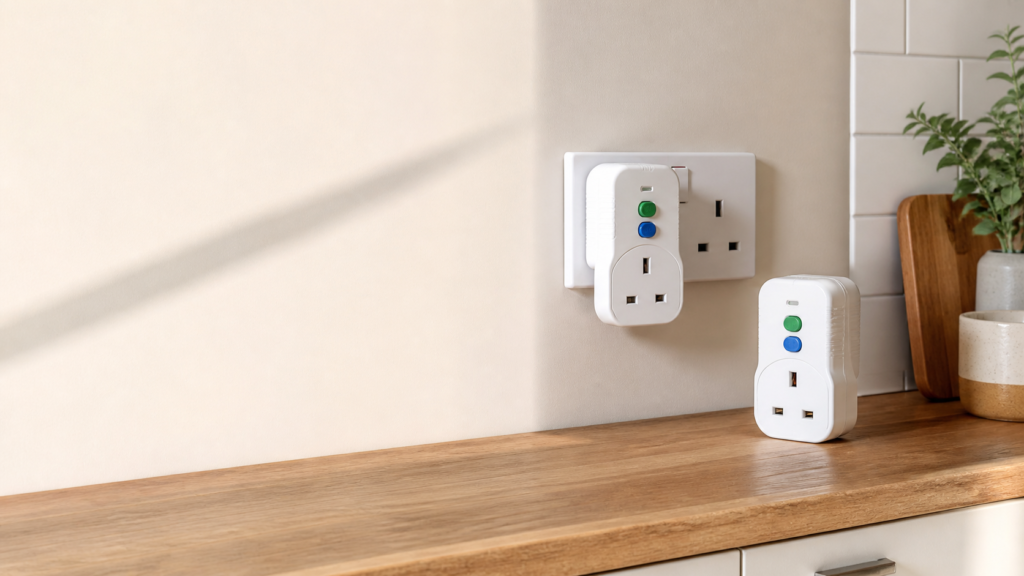
A standard RCD plug adapter is usually the simplest and most practical choice for general domestic use because it plugs directly into the socket, has straightforward test and reset buttons, and does not require much explanation once you understand what it is for.
It is most useful when:
- you want extra protection for a specific appliance setup
- you occasionally use garden or DIY equipment from a domestic socket
- you want a simple additional protective device for certain circumstances
- you value clarity more than compactness
Inline RCD Adapters
These are especially useful where cables, leads or temporary power arrangements are involved. They often suit outdoor or utility-style tasks better than a direct plug-in block shape because the layout works more naturally with cords and leaded equipment.
This type is a strong option for:
- garden equipment
- extension lead based outdoor use where appropriate
- DIY tools
- more practical cable-oriented setups
If extension use is part of the question, Best Extension Leads (UK) (Safety-first) is the most relevant supporting guide to make sure the rest of the setup is sensible too.
Compact RCD Plug Adapters
These can be a better choice indoors where space is limited or where a bulky adapter would be awkward. The main goal here is convenience without losing clarity or build quality.
Heavy-Duty RCD Adapters
These are worth considering where the product may see tougher handling or more regular use. They are more than many ordinary households need, but they can be worthwhile in utility or workshop-adjacent contexts.
How to Choose the Right Option
Start With the Actual Use Case
This matters more than most feature lists.
Ask:
- is this mainly for garden tools?
- is it for occasional appliance use?
- is it part of a lead-based setup?
- do you want something to live in one socket permanently, or something used only when needed?
- is a bulky direct plug-in shape likely to be awkward?
The best product depends heavily on how it will actually be used.
Prioritise Clear Test and Reset Controls
One of the key benefits of a good RCD adapter is that it is easy to test, easy to reset and easy to understand.
Think About Build Quality
This is a safety product. A flimsy feel, vague button action or poor overall construction is not something to shrug off just because the item is inexpensive.
What an RCD Plug Adapter Is and Is Not For
Before buying, it helps to keep expectations realistic.
What it is for
- providing an extra layer of protection in appropriate use cases
- safer use of some appliances or tools where extra protection is sensible
- temporary or situational protection where fixed arrangements are not the whole answer
What it is not for
- fixing damaged wiring
- making a faulty appliance acceptable
- replacing correct electrical installation and maintenance
- bypassing the need to deal with repeated unexplained trips
- acting as a universal answer to any electrical worry
This section is important because misunderstanding the product is one of the biggest risks in the whole category.
What Makes a Good RCD Plug Adapter?
Clear Test and Reset Function
You should be able to operate and test it confidently.
Good Build Quality
A proper safety product should feel dependable and well made.
Suitability for the Intended Setup
The best shape and style depends on whether the adapter is being used directly at a wall outlet or in a more cable-based environment.
Straightforward Use
A product that is hard to understand or awkward to reset is less likely to be used correctly.
Common Buying Mistakes
Buying an RCD Adapter Instead of Addressing a Known Electrical Fault
If something is already clearly wrong, fix the real problem.
Treating It as a Permanent Substitute for Proper Electrical Safety
An RCD adapter can be useful, but it is not a replacement for a sound installation.
Choosing by Price Alone
As with many safety products, the cheapest option is not always the best value.
Ignoring the Shape and Intended Use
A direct plug-in adapter and an inline version suit different scenarios.
Not Testing It Properly
An RCD product should not just be bought and forgotten.
When You May Not Need This Product
You may not need an RCD plug adapter if:
- the socket or circuit already has the protection you need for the intended use
- the main issue is a suspected wiring fault or damaged outlet
- the appliance itself is unsafe
- the problem is really about overload, heat or poor extension use rather than fault protection
- you are using it to avoid getting proper electrical work checked
If your concern is really safe lead and outlet use, Best Extension Leads (UK) (Safety-first) and How to Identify an Overloaded Circuit (Symptoms) may be more relevant. If you are already dealing with repeated trip events, What to Do If Your Fuse Box Trips (RCD/MCB) (UK) is much more important than product shopping.
Related Fix Guides
- Common Electrical Problems in UK Homes (Safe Checks Guide)
- How to Reset a Tripped RCD Safely (UK)
- What to Do If Your Fuse Box Trips (RCD/MCB) (UK)
- Best Extension Leads (UK) (Safety-first)
- How to Identify an Overloaded Circuit (Symptoms)
- When to Call an Electrician (Red Flags)