Introduction
A worn, cracked or unreliable plug socket is not something to ignore. Loose plugs, scorch marks, cracking faceplates, intermittent power and a socket that simply feels old or poor quality all point to the same conclusion: the outlet may need replacing.
But this is also a category where safety matters more than enthusiasm. Choosing a replacement socket is useful. Treating that purchase like a licence to carry out unsafe electrical DIY is not. For many UK homeowners, the real search intent here is not “which socket looks nicest?” It is closer to: which replacement plug sockets are worth buying, what features matter, and when should I stop at choosing the part and get a qualified electrician involved?
That is the approach this guide takes. It explains the best replacement plug sockets in the UK, what types are worth considering, and what matters most for everyday domestic use. Because this topic sits close to the line between useful product choice and electrical risk, this article includes a “buying the right socket vs safely replacing it” section before the product advice.
If your main concern is a faulty outlet rather than product choice, What to Do If a Plug Socket Stops Working is the most important practical guide in this cluster. For the wider context around warning signs, Common Electrical Problems in UK Homes (Safe Checks Guide) should be your starting point before you decide whether the issue is minor, urgent or electrician territory.
Quick Recommendation
For most UK homes, the best choice is a good-quality 13A switched plug socket from a reputable brand, with solid construction, secure plug grip and a sensible fit for the wall box and room it is going into.
That is usually the safest and most useful recommendation because it prioritises:
- dependable everyday use
- better build quality than the cheapest decorative options
- stronger plug grip
- a cleaner, more durable finish
- a product choice that supports a proper repair without pretending the part alone solves the whole problem
For most homeowners, reliability matters more than styling. A socket that fits properly, grips well and comes from a reputable manufacturer is usually a better choice than a cheaper one that only looks good from the front.
Product Comparison Table
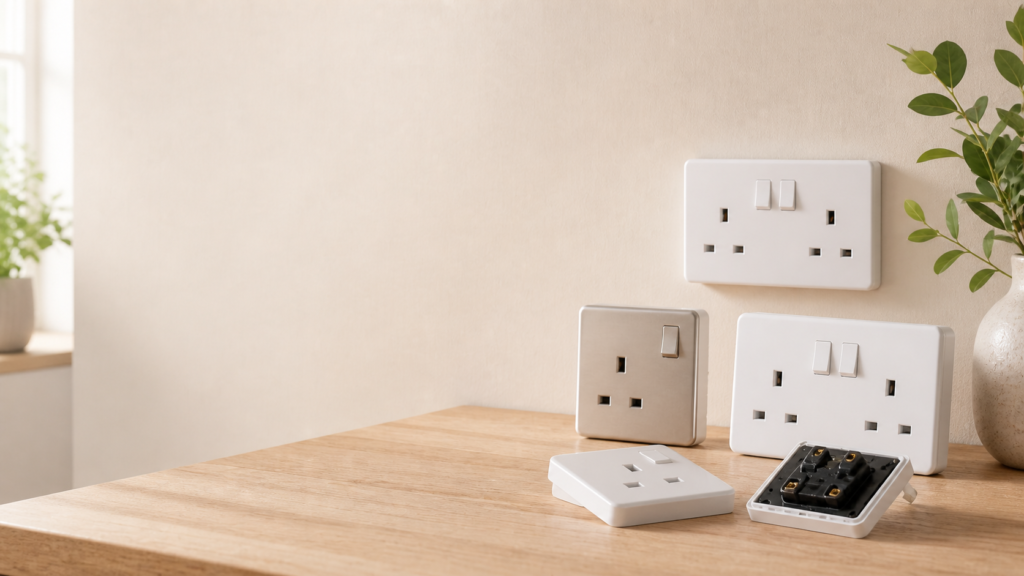
| Type | Best For | Pros | Cons | Notes |
|---|---|---|---|---|
| Standard double | Most rooms | Simple, reliable | No extras | Best default choice |
| Single socket | Tight spaces | Compact | Less convenient | Less common |
| USB socket | Bedrooms / charging | Convenience | More complex | Choose quality |
| Metal faceplate | Style choice | Durable | Fit can be fiddly | Must be fitted correctly |
Best Options Explained
Standard Switched 13A Sockets
This is the category most households should start with.
A standard switched socket remains the best all-round choice for normal domestic rooms because it offers familiar function, wide compatibility, straightforward availability and dependable everyday use. If you are replacing a tired outlet and simply want something solid, safe-looking and practical, this is usually the right answer.
It is especially suitable when:
- the room is a normal living space
- the goal is a straightforward reliable replacement
- aesthetics matter less than function
- you want a known, practical default
Slimline Sockets
Slimline sockets are popular in more modern interiors because they sit more neatly on the wall and often look less bulky. They can be a very good choice in decorative upgrades, provided the overall fitting arrangement suits them and you are not prioritising appearance so much that you forget practicality.
USB Sockets
These are useful in the right locations, but they are not automatically the best choice for every room. They make more sense where device charging is frequent and predictable, such as:
- bedrooms
- home offices
- kitchen counters
- study areas
In low-use or more general outlet positions, they can be unnecessary.
More Robust or Metal-Clad Sockets
These are worthwhile where a tougher construction is genuinely useful. Utility spaces, garages and certain harder-wearing areas can justify a more robust product choice.
Decorative Sockets
These suit buyers who want a more refined finish or a better visual match with recent decorating work. That can be reasonable, but not at the expense of buying poor-quality hardware dressed up as premium.
How to Choose the Right Option
Start With Use, Not Just Appearance
Ask:
- is this socket in a bedroom, lounge, office, kitchen or utility area?
- does it get frequent use?
- do you want a plain functional replacement or a visible style upgrade?
- do you actually need USB charging built in?
- is a tougher finish more relevant than decorative styling?
This is what should drive the purchase, not just the faceplate colour.
Prioritise Reputable Build Quality
A socket is not just décor. Plug grip, switch feel, terminal quality and overall robustness matter. This is especially important where the outlet sees regular use.
Think About Wall Box and Existing Setup Compatibility
A socket that looks great in the box photo is still not useful if it is a poor fit for the actual wall box or the intended setup. This is one reason why “best socket” conversations should stay grounded in practical suitability.
Buying the Right Socket vs Safely Replacing It
This is the section many readers actually need.
A good replacement socket is worth choosing carefully, but the buying decision and the installation decision are not the same thing.
Buying the right socket means:
- choosing the right type for the room
- prioritising quality and practicality
- avoiding flimsy bargain products
- matching the use case sensibly
Safely replacing a socket means:
- recognising when the issue is straightforward and when it is not
- knowing when visible damage, overheating or uncertainty means stopping
- not treating product research as permission to go beyond safe DIY limits
If there is burning smell, heat, damage or uncertainty around the wiring, When to Call an Electrician (Red Flags) matters more than the product itself.
What Makes a Good Replacement Plug Socket?
Strong Plug Grip
A socket should hold plugs firmly. Loose-feeling outlets are one of the common reasons people start shopping in the first place.
Reliable Switching Action
The switches should feel positive and dependable, not loose or vague.
Sensible Construction Quality
Faceplate finish matters, but the real value is in what the product feels like and how it performs in normal use.
Suitability for the Room
A home office, utility wall and decorative lounge all have slightly different priorities.
Common Buying Mistakes
Buying Purely on Style
A decorative finish is fine, but quality comes first.
Choosing a Replacement Without Understanding the Real Fault
If the issue is bigger than one failed socket, the product alone is not the solution.
Treating a Replacement Socket Like a DIY Green Light
This is one of the most important mistakes to avoid.
Buying the Cheapest Option Available
Sockets are not an area where saving a few pounds is usually worthwhile.
Replacing a Socket When the Warning Signs Suggest Something More Serious
Heat, burning smells, repeated tripping or damaged wiring all change the situation.
When You May Not Need This Product
You may not need a replacement plug socket if:
- the problem is actually with the plug or appliance
- the circuit itself is at fault rather than the outlet
- the socket is not just worn but showing more serious electrical warning signs
- the main issue is general circuit instability rather than one specific faceplate or outlet
- a qualified electrician needs to assess the cause before any parts are chosen
If the real symptom is looseness, Why a Plug Socket Feels Loose (And What You Can Do Safely) is the best supporting guide. If the socket has stopped working entirely, What to Do If a Plug Socket Stops Working comes first. And if there is any sign of heat or burning, What Does ‘Burning Smell’ from Socket Mean? and How to Safely Check for Heat in Plugs and Sockets are far more urgent than product comparison.
Related Fix Guides
- Common Electrical Problems in UK Homes (Safe Checks Guide)
- What to Do If a Plug Socket Stops Working
- Why a Plug Socket Feels Loose (And What You Can Do Safely)
- What Does ‘Burning Smell’ from Socket Mean?
- How to Safely Check for Heat in Plugs and Sockets
- When to Call an Electrician (Red Flags)